Clean drinking water on every
Nigerian Campus
AquaPoint is a water infrastructure initiative with a clear long-term vision: by 2030, one safe-water machine in every Nigerian university. Across 142 institutions and 1.75 million students affordable, verified, point-of-use drinking water on every campus.
The Problem
Three Burdens. One Root
Nigeria’s water crisis is not the symptom of a nation in collapse. It is the logical consequence of a single gap — the absence of decentralised clean-water infrastructure at the point where people need it.
A health burden
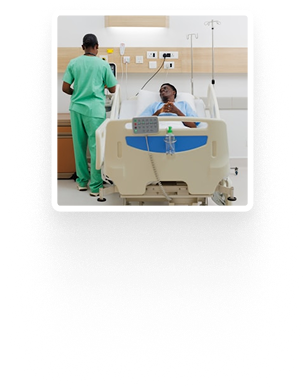
111,062 cholera cases and 3,604 deaths in the 2021 outbreak. 255,000 preventable deaths annually attributed to unsafe water, sanitation, and hygiene.

An affordability burden
Students pay ₦150–200 daily for sachet water. ₦36.79 billion flows through the informal sachet economy each year.
An environmental burden
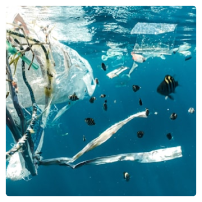
60 million sachets discarded daily. 2.5 billion litres consumed annually. 2.5 million tonnes of plastic waste per year — over 70% mismanaged.
The Solution
Why universities. How it works.
Solving Nigeria’s water crisis does not begin everywhere at once. It begins where need is most concentrated, demand is most reliable, and a single installation reaches the largest number of people.
The water filtration machine
A decentralised micro-infrastructure unit that treats water on site and serves it at the point of use. Purified to NSDWQ standard, independently verified before every machine goes live and on a regular schedule thereafter.
Why universities first
A Nigerian university campus is a small city — tens of thousands of students in one location, with a constant, measurable need for clean water. Concentrated demand, zero build time, replicable model.
The PPP model
AquaPoint operates as a public-private partnership. Each machine is a revenue-generating asset that delivers clean water affordably while funding its own operation. The asset transfers to government at the end of the concession period.
What the university inherits
Verified water quality data. A permanent infrastructure asset. Reduced dependence on sachet water. Local employment. An institutional co-investment from Langovest that demonstrates shared commitment.
Lagos State University Teaching Hospital
LASUTH, Lagos
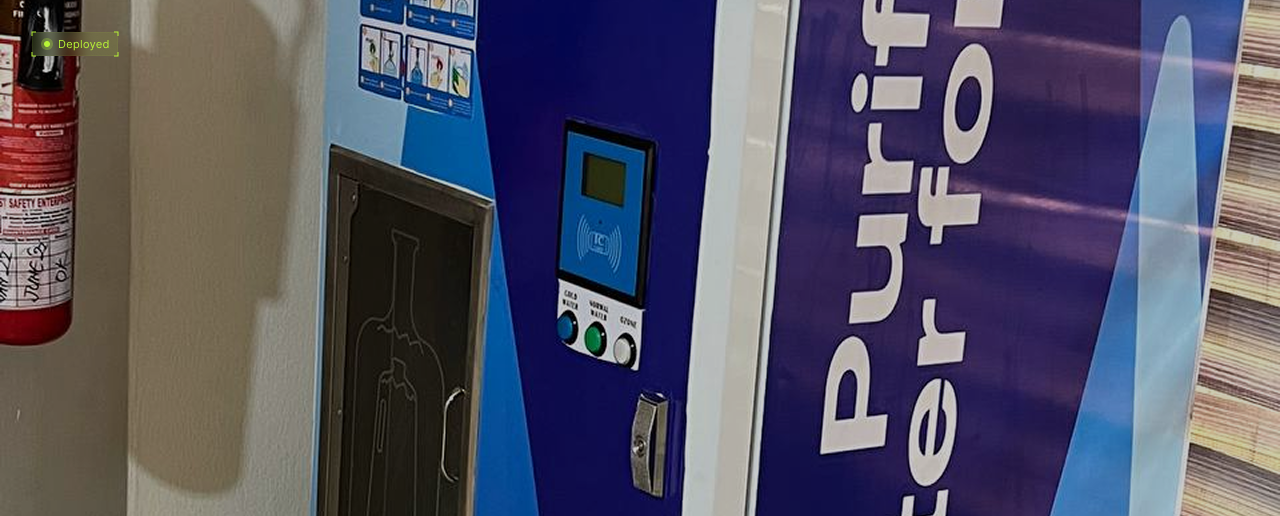
Our pilot project launched at LASUTH serves hospital staff, medical students, and patients with clean, refreshing water. The smart kiosks have verified our operational flow, filters durability, and student acceptance at scale, setting the template for phase 1.
Partner Program
Phase 1 is open. Be part of it.
Phase 1 aims to deploy 12 filtration kiosks across 6 universities in southwest Nigeria. We are seeking stakeholders to join this expansion. Read details in our project proposal or connect below.
Read project proposalUniversity Partner
Host an AquaPoint water filtration machine on campus.
Co-Sponsor
Partner at formation and governance level. Contributes capital, network access, and institutional relationships.
Development Partner
NGOs, foundations, and development finance bodies aligned with SDG 6, WASH objectives, or environmental sustainability.
Technology Partner
Contributes technology, equipment, or technical expertise to the network.
Government & Agency Partner
Endorsement, licensing support, and institutional collaboration from government agencies and regulatory bodies.
Corporate Partner
Organisations aligned with clean water access, sustainability, or education. Involvement through sponsorship or CSR.
The cycle and the single point of intervention
By intercepting water demand at the point of use on campus, we trigger a positive loop that cuts plastic waste, saves money, and funds future infrastructure.
No public supply
Nigerian campuses lack centralized municipal safe drinking water grids, forcing students to search for alternatives.
Nigerian campuses lack centralized municipal safe drinking water grids, forcing students to search for alternatives.
Ready to be part of Phase 1?
Whether you represent a school administration, want to sponsor a kiosk, or provide technical solutions, get in touch with our team. Together we can shape campus infrastructure.